SSC CHSL
Tier-I and Tier-II objective practice for SSC CHSL 2026.
Combined Higher Secondary (10+2) Level Examination 2026 for LDC/JSA and DEO posts, conducted in two tiers. Tier-I has 100 objective questions for 200 marks in 60 minutes, with 0.50 negative marking per wrong answer. Tier-II (objective Session-I) has Mathematical Abilities, Reasoning, English, General Awareness and a qualifying Computer Knowledge Test; final merit is based on Tier-II Sections I and II. Skill/Typing Test is qualifying.
162
Practice tests
4
Sections
TBA
Exam date
Eligibility: 12th Standard or equivalent; age 18-27 as on 01-08-2026, with applicable relaxations.
Exam pattern
Tier-I
100 questions · 200 marks · 60 minutes · negative 0.50 per wrong answer.
| Section | Questions | Marks | Duration |
|---|---|---|---|
| English Language (Basic Knowledge) | 25 | 50 | 15 min |
| General Intelligence | 25 | 50 | 15 min |
| Quantitative Aptitude (Basic Arithmetic Skill) | 25 | 50 | 15 min |
| General Awareness | 25 | 50 | 15 min |
Tier-II · Session-I
180 marks per section · negative 1 mark per wrong answer · Section-III (Computer Knowledge) is qualifying.
| Section | Questions | Marks | Duration |
|---|---|---|---|
| Section-I A: Mathematical Abilities | 30 | 90 | 30 min |
| Section-I B: Reasoning and General Intelligence | 30 | 90 | 30 min |
| Section-II A: English Language and Comprehension | 40 | 120 | 40 min |
| Section-II B: General Awareness | 20 | 60 | 20 min |
| Section-III: Computer Knowledge Test(qualifying) | 15 | 45 | 15 min |
Tier-II · Session-II
Skill/Typing Test — qualifying in nature.
| Section | Questions | Marks | Duration |
|---|---|---|---|
| Section-IV Part A: Skill Test for DEOs (Department/Ministry) | — | — | 15 min |
| Section-IV Part B: Skill Test for DEOs (other) | — | — | 15 min |
| Section-IV Part C: Typing Test for LDC/JSA | — | — | 10 min |
Syllabus
Tier-I
English Language
- Spot the Error
- Fill in the Blanks
- Synonyms and Antonyms
- Spellings
- Idioms and Phrases
- One Word Substitution
- Sentence Improvement
- Active and Passive Voice
- Direct and Indirect Narration
- Sentence Rearrangement
- Cloze Passage
- Comprehension Passage
General Intelligence
- Analogies
- Classification
- Series
- Coding and Decoding
- Word Building
- Venn Diagrams
- Embedded Figures
- Critical Thinking
- Problem Solving
- Emotional and Social Intelligence
Quantitative Aptitude
- Number Systems
- Percentages, Ratio and Proportion
- Averages, Interest, Profit and Loss
- Time and Work
- Time and Distance
- Algebra
- Geometry
- Mensuration
- Trigonometry
- Statistical Charts
General Awareness
- Current Events
- History and Culture
- Geography
- Economic Scene
- General Policy
- Scientific Research
Tier-II
Mathematical Abilities
- Number Systems
- Percentage, Ratio and Proportion
- Averages, Interest, Profit and Loss
- Partnership, Mixture and Alligation
- Time and Work, Time and Distance
- Algebra
- Geometry
- Mensuration
- Trigonometry
- Statistics and Probability
Reasoning and General Intelligence
- Semantic and Figural Analogy
- Classification
- Series and Number Series
- Coding and Decoding
- Venn Diagrams
- Critical Thinking and Problem Solving
- Emotional and Social Intelligence
English Language and Comprehension
- Vocabulary, Synonyms and Antonyms
- Grammar and Sentence Structure
- Spot the Error and Sentence Improvement
- Fill in the Blanks and Cloze Passage
- Idioms and One Word Substitution
- Comprehension Passages (book/story and editorial)
General Awareness
- Current Events
- History and Culture
- Geography
- Economic Scene
- General Policy
- Scientific Research
Computer Knowledge
- Computer Basics and Organisation
- Windows and MS Office (Word, Excel, PowerPoint)
- Internet and E-mail
- Networking and Cyber Security
Important dates
- Online applications07.09.2026 to 07.10.2026
- Online fee payment closes08.10.2026 (23:00 hours)
- Application correction window14.10.2026 to 16.10.2026
- Tier-I scheduleTo be notified later
- Tier-II scheduleTo be notified later
Preparation tips
All sections — Practise each Tier-I section under the 15-minute sectional timer, then take full-length mocks and analyse every mistake.
All sections — Protect accuracy: 2 marks per correct answer, −0.50 per wrong answer; avoid blind guessing.
All sections — Keep an error notebook and retry wrong questions after 1 day, 3 days and 1 week.
All sections — Use previous-year questions; increase difficulty and reduce time only after accuracy is consistently 85–90%.
All sections — Prepare Tier-II merit subjects from the start because they decide final merit.
English — Learn grammar through examples: study one rule, solve 10–15 questions on it, and record the rule behind every error.
English — Keep a vocabulary notebook with the word, meaning, synonym/antonym and one example sentence; revise it with spaced repetition.
English — Read one editorial or reliable article daily; in comprehension, locate the exact sentence that supports each answer.
General Intelligence — Learn the rule behind each question type before drilling; use a two-pass method for lengthy puzzles.
General Intelligence — For figures and patterns, track one feature at a time (rotation, shading, line count) and sketch before choosing.
Quantitative Aptitude — Memorise formulas actively; write identities, geometry, mensuration and trigonometry formulas from memory.
Quantitative Aptitude — Practise mental maths daily: fraction/percentage conversions, squares, roots and multiplication shortcuts.
Quantitative Aptitude — Prefer ratios, answer options and approximation over lengthy calculations; accuracy before speed.
General Awareness — Use one main source per subject; too many books, channels and PDFs create repetition and confusion.
General Awareness — Revise static GK on a spaced schedule (same day, 2–3 days, 1 week, 1 month) and study current affairs by theme.
General Awareness — Solve 15–20 MCQs daily and read explanations for both correct and incorrect answers.
SSC CHSL preparation guide
Section-wise tips, worked examples and formulas for all four Tier-I sections. Tap a topic to expand it.
English Language
Syllabus and what to prepare+−
- Grammar: parts of speech, subject–verb agreement, tenses, articles, prepositions, pronouns, conjunctions, modifiers and sentence structure.
- Vocabulary: synonyms, antonyms, one-word substitutions, idioms and phrases, and commonly confused words.
- Usage and correction: error spotting, sentence improvement, fill in the blanks, and choosing the correct word or phrase.
- Reading and arrangement: cloze tests, reading comprehension, and sentence or paragraph arrangement where included in the current exam pattern.
1. Topic-wise practice strategies
Spot the Error+−
- Check each sentence part systematically: subject, verb, object and modifiers.
- Pay special attention to collective nouns, uncountable nouns and parallel structures.
- Practise 20–30 questions daily and write down the rule behind each error.
Fill in the Blanks+−
- Read the complete sentence before checking the options.
- Eliminate options that violate grammar or change the meaning.
- Practise 15–20 questions daily.
Synonyms, Homonyms and Antonyms+−
- Learn 10–15 new words daily with their meanings and example sentences.
- Synonyms: words with similar meanings, such as rapid – swift.
- Antonyms: words with opposite meanings, such as ancient – modern.
- Homonyms: words that share the same spelling or pronunciation but have different meanings, such as bank (financial institution or riverbank).
- Revise previous words using flashcards and weekly vocabulary tests.
Spellings / Detecting Misspelt Words+−
- Make a list of frequently misspelt words.
- Learn difficult letter combinations and silent letters.
- Compare similar words, such as accommodation, separate and necessary.
- Write each difficult word correctly three times and test yourself later.
Idioms & Phrases+−
- Learn the meaning and usage of common idioms.
- Remember the complete phrase rather than individual words.
- Create a sentence for each idiom to understand its context.
- Practise 10 idioms daily and revise them every weekend.
Examples
- A piece of cake — something very easy.
- Once in a blue moon — very rarely.
- Spill the beans — reveal a secret.
One-Word Substitution+−
- Learn words by category: people, places, habits, government and literature.
- Memorise the definition alongside the word.
- Use flashcards with the definition on one side and the answer on the other.
Examples
- One who cannot read or write — Illiterate.
- One who speaks many languages — Polyglot.
- A person who loves books — Bibliophile.
- A place where birds are kept — Aviary.
Improvement of Sentences+−
- Check tense, subject–verb agreement, prepositions, word order and idiomatic usage.
- Read the original sentence and each option carefully.
- Choose the grammatically correct option that preserves the intended meaning.
- Practise 15–20 sentence-improvement questions daily.
Active / Passive Voice+−
- Learn the pattern: the active object becomes the passive subject.
- Practise tense-wise transformations.
- Preserve the tense and use the correct form of be + past participle.
- Remember that the agent introduced by by can often be omitted.
Direct / Indirect Narration+−
- Practise statements, questions, commands, requests and exclamations separately.
- Learn changes in pronouns, tense, time expressions and reporting verbs.
- Check whether the sentence is a question or a statement; indirect questions generally use statement word order.
Shuffling of Sentence Parts+−
- Identify the subject and main verb first.
- Look for articles, pronouns and linking words that indicate which part comes first.
- Identify logical pairs, such as cause and effect.
- Practise 10–15 jumbled-sentence questions daily.
Shuffling of Sentences in a Passage+−
- Find the opening sentence that introduces the topic.
- Follow pronouns and references such as this, these, he and they.
- Look for chronological order, cause and effect, and connecting words.
- Find the concluding sentence and check whether the whole paragraph flows logically.
Cloze Passage+−
- Read the entire passage once to understand its main idea.
- Use grammar, vocabulary, collocations and context to select each answer.
- Read the passage again with your chosen words inserted.
- Practise 1–2 passages daily and analyse why each distractor is incorrect.
Comprehension Passage+−
- Read the questions first if this helps you identify what information to look for.
- Read the passage carefully and locate evidence for each answer.
- Distinguish between facts stated in the passage and your own assumptions.
- Practise vocabulary-in-context, main idea, inference, tone and title questions.
- Review incorrect answers and identify the exact sentence that supports the correct answer.
Daily English practice timetable+−
| Activity | Time |
|---|---|
| Grammar: error spotting, blanks and sentence improvement | 20 min |
| Vocabulary: synonyms, antonyms, homonyms and spellings | 15 min |
| Idioms and one-word substitutions | 10 min |
| Voice and narration | 15 min |
| Sentence rearrangement | 10 min |
| Cloze test and comprehension | 15 min |
| Review mistakes and revise rules | 5 min |
| Total | 90 min |
Seven-day practice plan+−
| Day | Main focus |
|---|---|
| Monday | Spot the Error, Fill in the Blanks |
| Tuesday | Synonyms, Antonyms, Homonyms, Spellings |
| Wednesday | Idioms, Phrases, One-Word Substitution |
| Thursday | Sentence Improvement, Active / Passive Voice |
| Friday | Direct / Indirect Narration, Sentence Parts |
| Saturday | Sentence Shuffling, Cloze Passage |
| Sunday | Comprehension, full English sectional mock and revision |
Best method to improve your score+−
- Step 1 — Learn the rule: understand one grammar rule or vocabulary category before solving questions.
- Step 2 — Practise: solve 15–30 questions from the selected topic without looking at the answers.
- Step 3 — Analyse mistakes: keep a notebook with the question or word, correct answer, and rule or reason.
- Step 4 — Practise under time limits: solve timed sets and increase speed without sacrificing accuracy.
- Step 5 — Revise repeatedly: review mistakes the next day, after three days and after one week.
Exam-day tips+−
- Read each question completely before selecting an option.
- Answer questions you can solve confidently first; return to difficult ones if time permits.
- Keep the final minutes for unanswered questions and review, if time allows.
Free or low-cost resources+−
- A standard grammar reference, a learner’s dictionary and a simple vocabulary notebook.
- Official or reputable previous-year English papers and answer keys.
- Free online quizzes and sectional tests — check the explanations and avoid relying on unverified answer keys.
- The latest official SSC-CHSL notification for the current syllabus and exam pattern.
Test your preparation+−
1. The committee ___ submitted its report.
- A. have
- B. has
- C. were
- D. are
2. Choose the synonym of ‘Abundant’.
- A. Scarce
- B. Plentiful
- C. Tiny
- D. Empty
3. ‘At the eleventh hour’ means:
- A. Very early
- B. At the last moment
- C. At midnight
- D. After eleven days
4. Choose the correct passive voice: ‘They completed the work.’
- A. The work is completed by them.
- B. The work was completed by them.
- C. The work has completed by them.
- D. The work had been complete by them.
5. He said, ‘I am tired.’ Choose the correct indirect speech.
- A. He said that I am tired.
- B. He said that he was tired.
- C. He says that he was tired.
- D. He said he is tiring.
6. A person who knows many languages is a:
- A. Biographer
- B. Polyglot
- C. Orator
- D. Philanthropist
7. Choose the correctly spelt word.
- A. Accomodation
- B. Acommodation
- C. Accommodation
- D. Accommadation
8. Choose the best connector: She studied hard, ___ she passed the examination.
- A. although
- B. because
- C. so
- D. unless
General Intelligence
Syllabus and how to use this guide+−
- Semantic Analogy
- Symbolic operations
- Symbolic/Number Analogy
- Trends
- Figural Analogy
- Space Orientation
- Semantic Classification
- Venn Diagrams
- Symbolic/ Number Classification
- Drawing inferences
- Figural Classification
- Punched hole/ pattern-folding & unfolding
- Semantic Series
- Figural Pattern-folding and completion
- Number Series
- Embedded figures
- Figural Series
- Critical Thinking
- Problem Solving
- Emotional Intelligence
- Word Building
- Social Intelligence
- Coding and de-coding
- Numerical operations
SSC-CHSL General Intelligence: 24 Topics Practice Tips
1. Topic-wise practice tips
Semantic Analogy+−
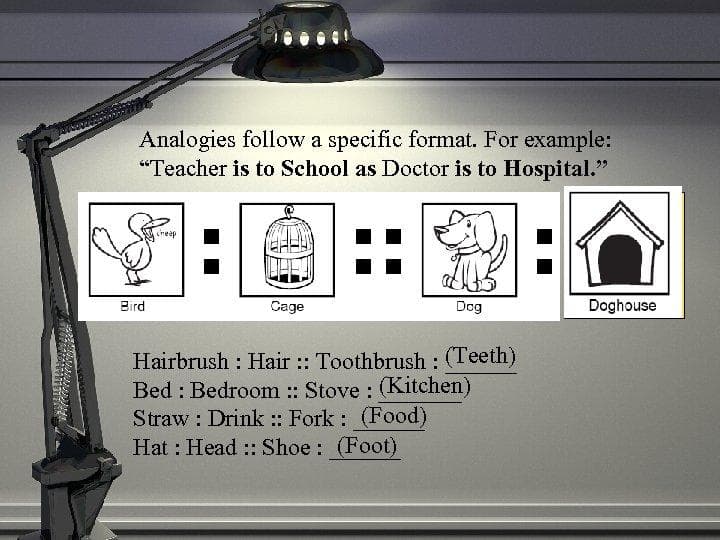
- Learn relationships such as synonym, antonym, function, profession, object and place.
- Example: Doctor : Hospital :: Teacher : School.
- Practise 20 questions daily.
Symbolic Operations+−
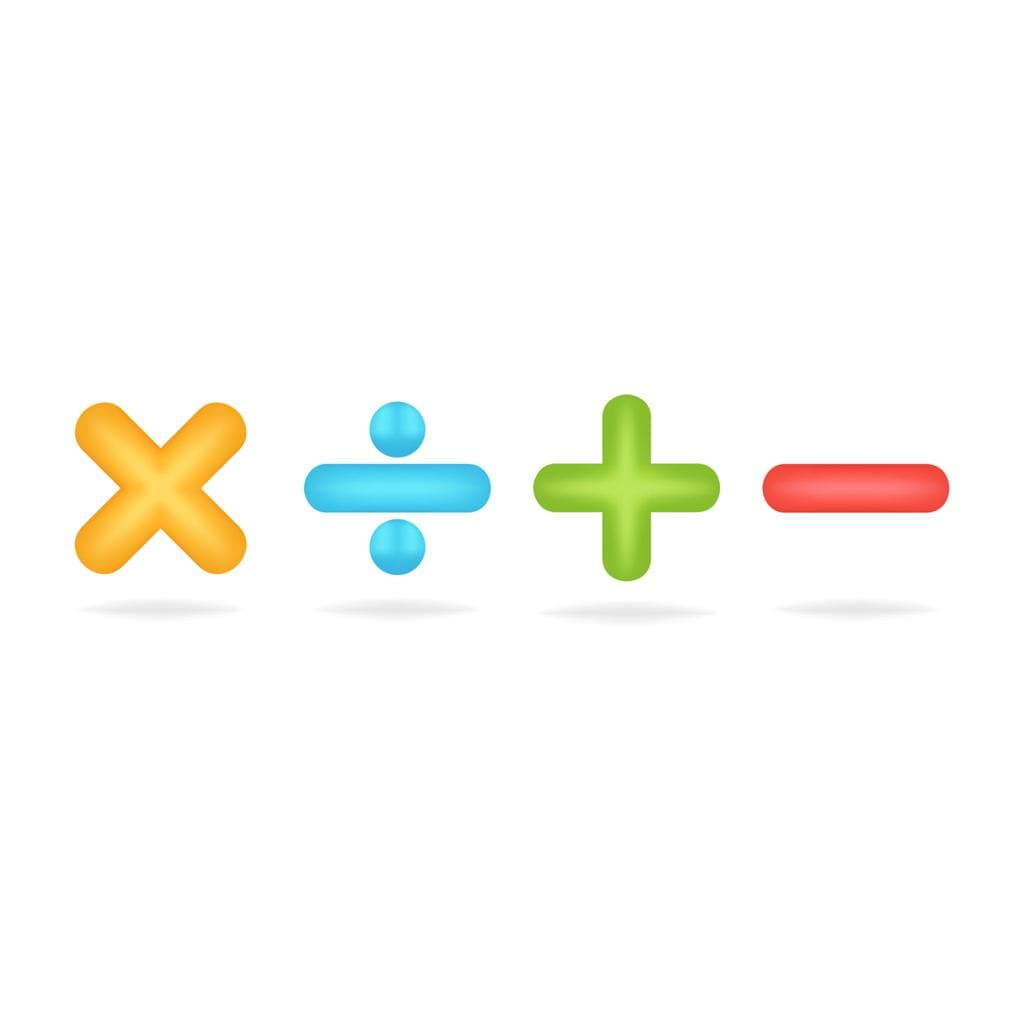
- Rewrite the given symbol meanings before solving.
- Follow the correct order of operations.
- Example: If + means ×, evaluate the expression after replacing the symbols.
Symbolic/Number Analogy+−
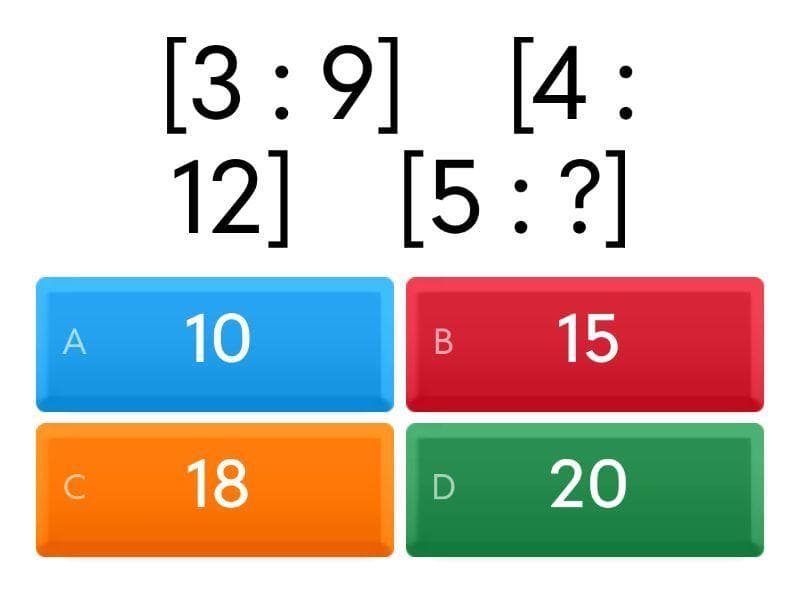
- Check squares, cubes, multiplication, division, addition and subtraction.
- Example: 3 : 9 :: 5 : 25.
- Practise multiple rules, not just multiplication.
Trends+−
- Check whether elements increase, decrease, rotate or alternate.
- Track one feature at a time.
- Practise identifying the next item in a changing pattern.

Figural Analogy+−
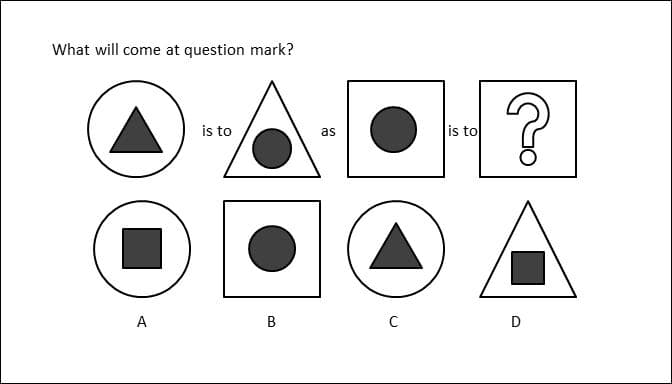
- Check rotation, reflection, shading, dots and line counts.
- Apply the same transformation to the target figure.
- Draw rough sketches if necessary.
Space Orientation+−
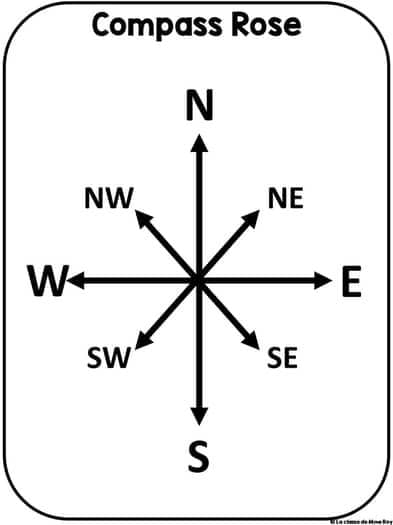
- Practise left/right turns, compass directions and object orientation.
- Draw a small direction diagram.
- Remember that left and right depend on the direction a person is facing.
Semantic Classification+−
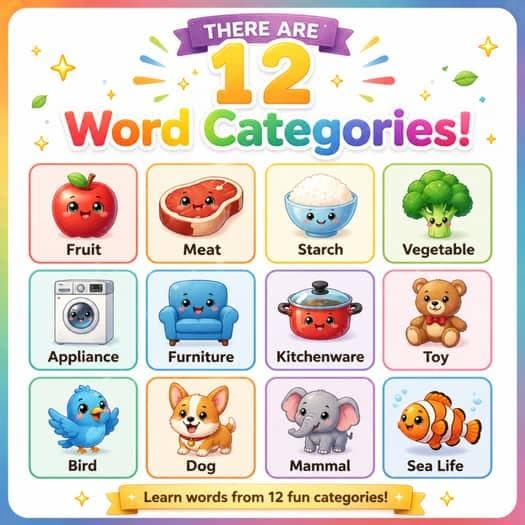
- Check category, use, meaning, profession and characteristics.
- Example: Rose, Lotus, Lily, Mango — Mango is different because it is a fruit.
- Explain why each remaining option belongs to the same group.
Venn Diagrams+−
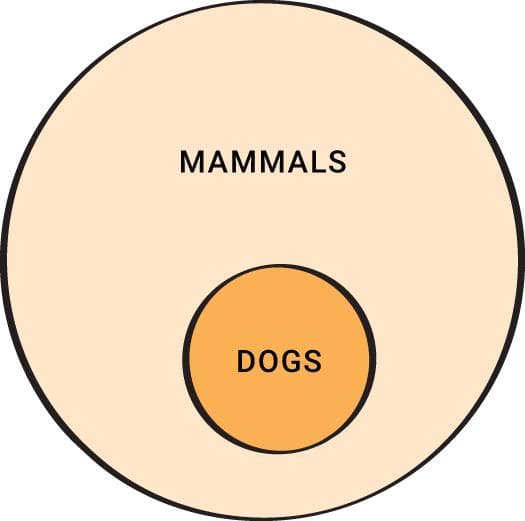
- Learn separate, overlapping, and subset relationships.
- Practise categories such as animals, mammals and dogs.
- Read the meaning of every group before choosing a diagram.
Symbolic/Number Classification+−
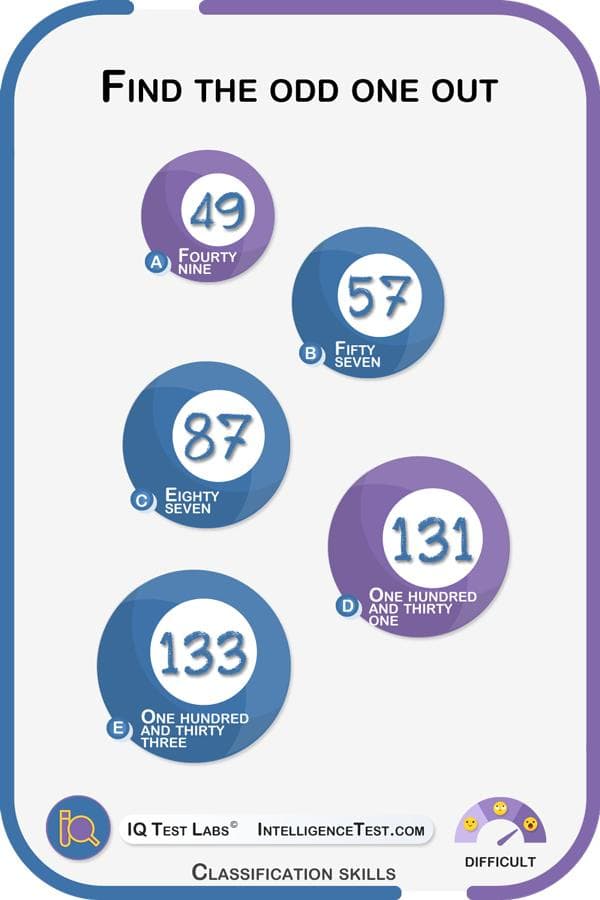
- Check parity, prime numbers, squares, cubes, divisibility and digit sums.
- Example: 16, 25, 36, 48 — 48 is different because the others are perfect squares.
- Verify the rule against all options.
Drawing Inferences+−
- Separate facts from assumptions.
- In statement-based questions, select only conclusions that logically follow.
- Do not use outside knowledge unless the question requires it.
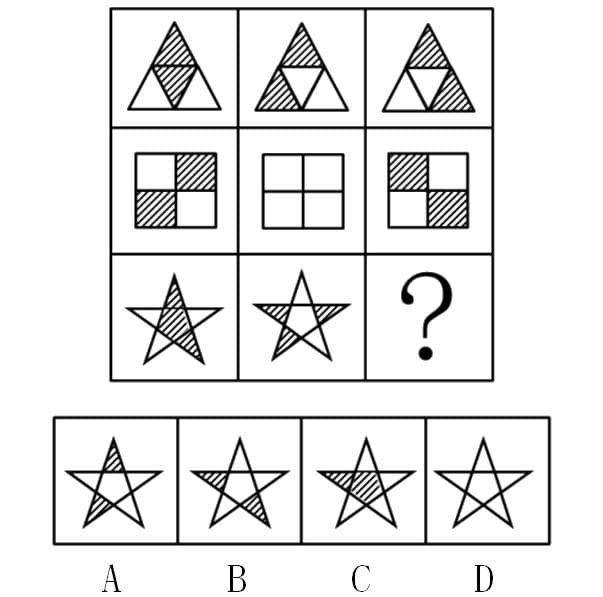
Figural Classification+−
- Compare the number of sides, lines, angles, dots and shaded areas.
- Check symmetry and orientation.
- Count features systematically instead of guessing.
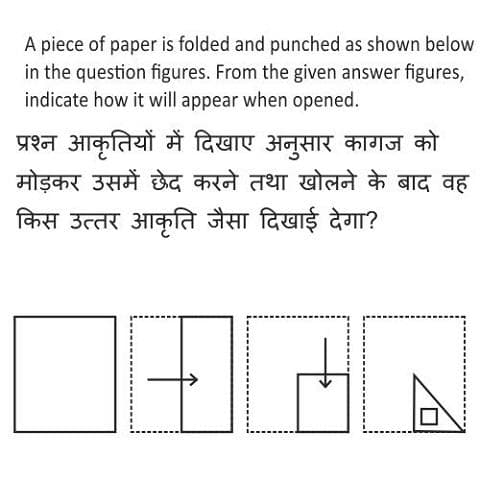
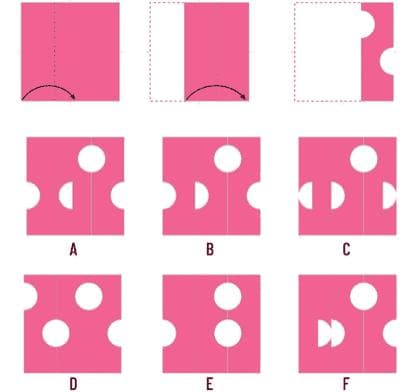
Punched Hole / Pattern Folding and Unfolding+−
- Reverse every fold in the correct order.
- Mirror the hole positions across each fold line.
- Practise with actual paper to understand the pattern.
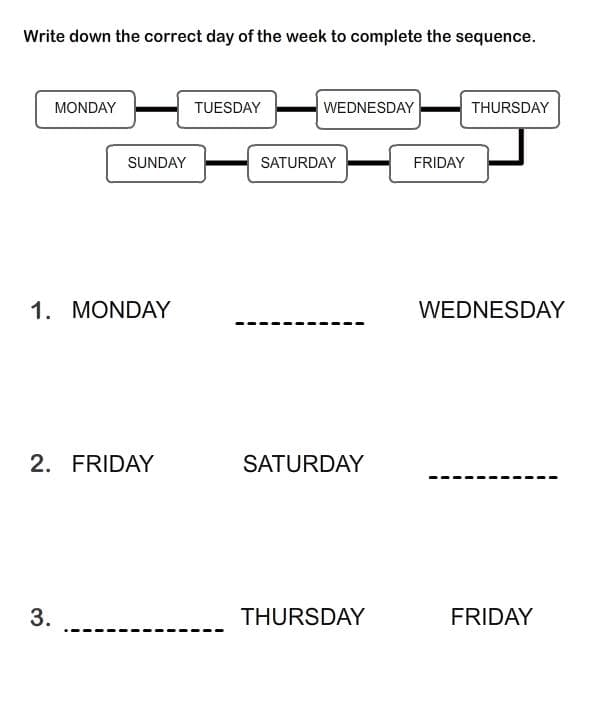
Semantic Series+−
- Practise alphabetical order, ranks, days, months and conceptual sequences.
- Identify the rule connecting consecutive words.
- Check whether the sequence skips items or alternates categories.
Figural Pattern-Folding and Completion+−
- Practise symmetry, rotation and mirror images.
- Match lines and edges carefully.
- Compare the options feature by feature.
Number Series+−
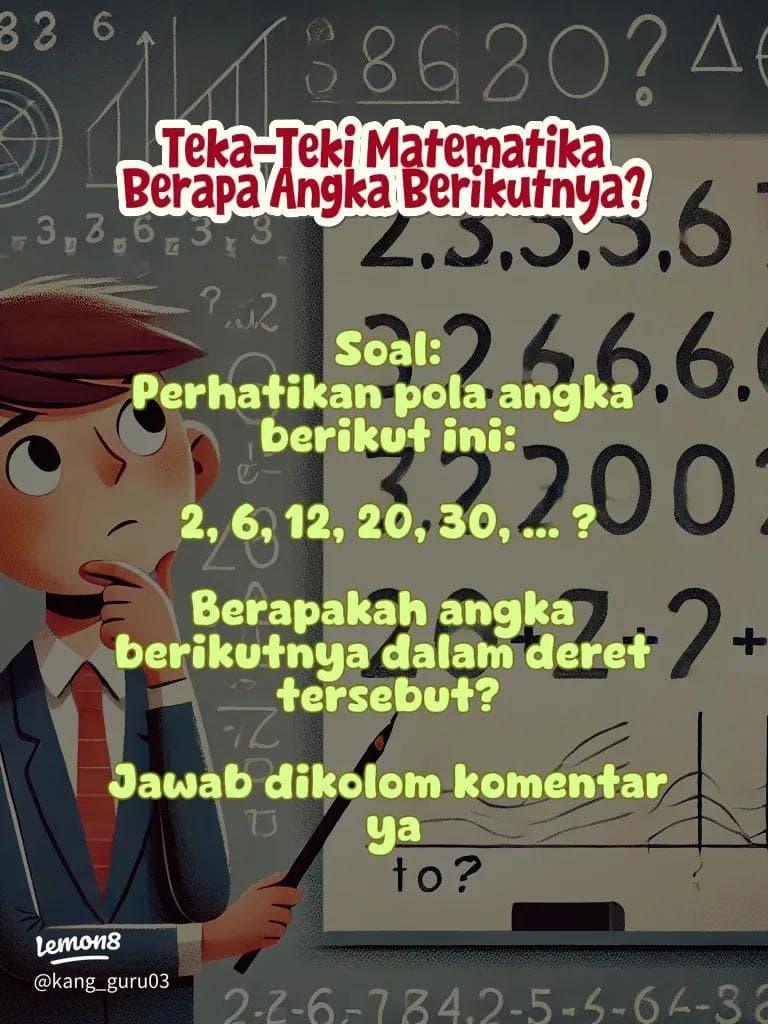
- Check differences, second differences, ratios, squares, cubes and alternating patterns.
- Example: 2, 6, 12, 20, 30 — differences are +4, +6, +8, +10.
- Practise easy, moderate and difficult questions.
Embedded Figures+−
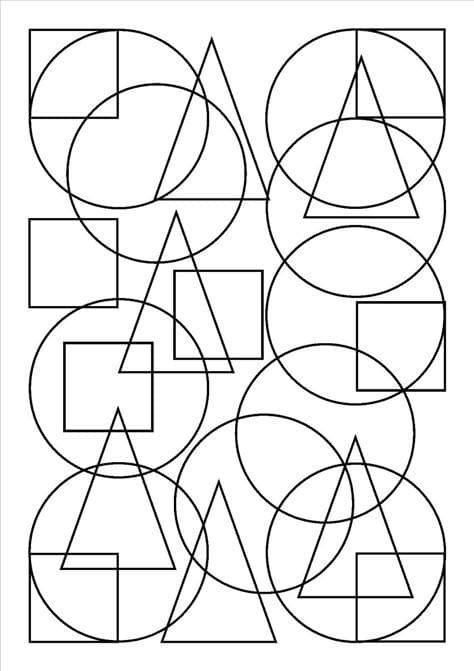
- Focus on the target's angles and line arrangement.
- Ignore extra lines that do not alter the target shape.
- Rotate the target mentally when the question permits it.
Figural Series+−
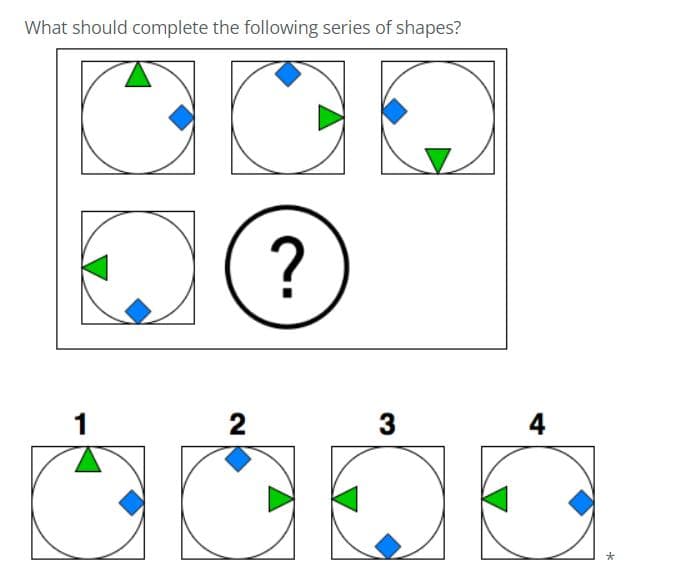
- Track rotation, shading, movement, number of objects and line changes.
- Check whether two different patterns alternate.
- Explain the rule before selecting an answer.
Critical Thinking+−
- Identify the main claim and supporting facts.
- Avoid emotional or unsupported conclusions.
- Practise questions involving strong arguments, assumptions and logical decisions.

Problem Solving+−
- List the given information.
- Eliminate impossible options.
- Solve systematically and verify the result.
- Practise puzzles under a time limit.
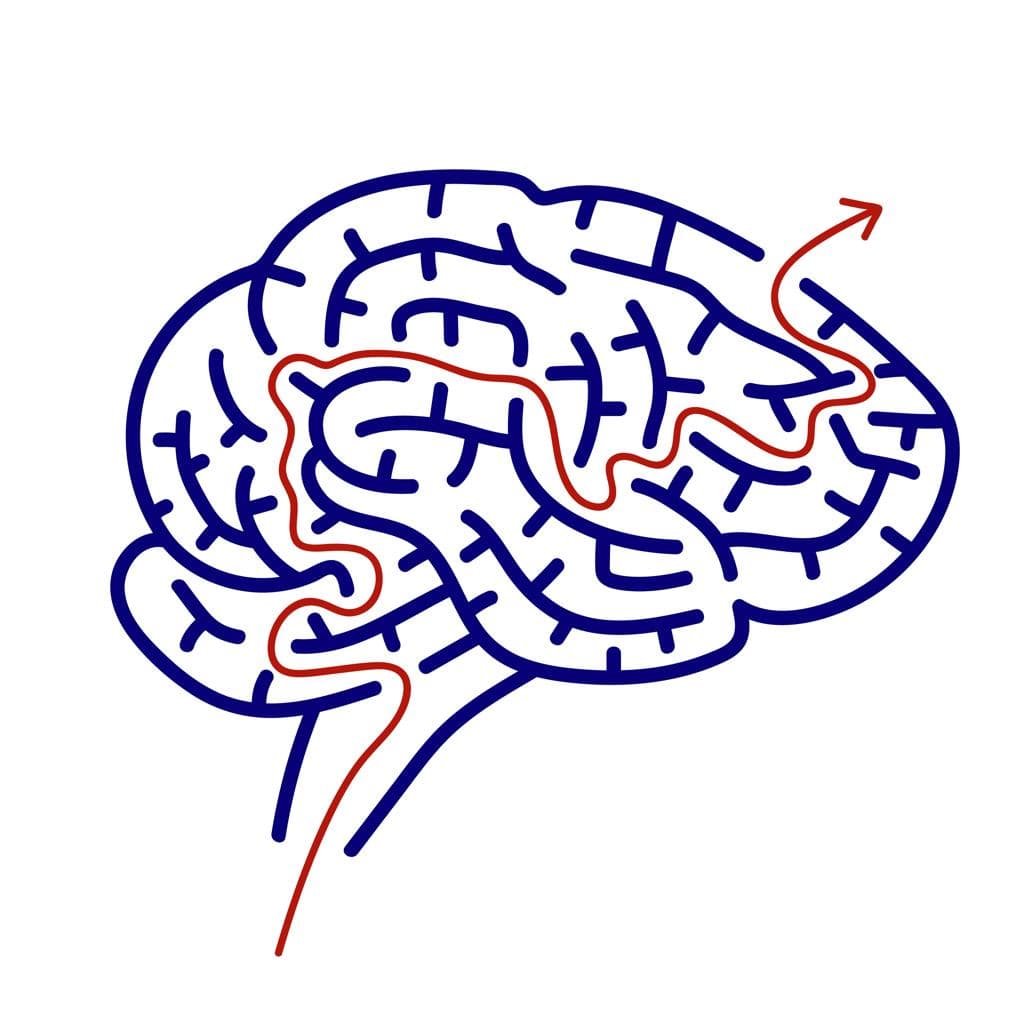
Emotional Intelligence+−
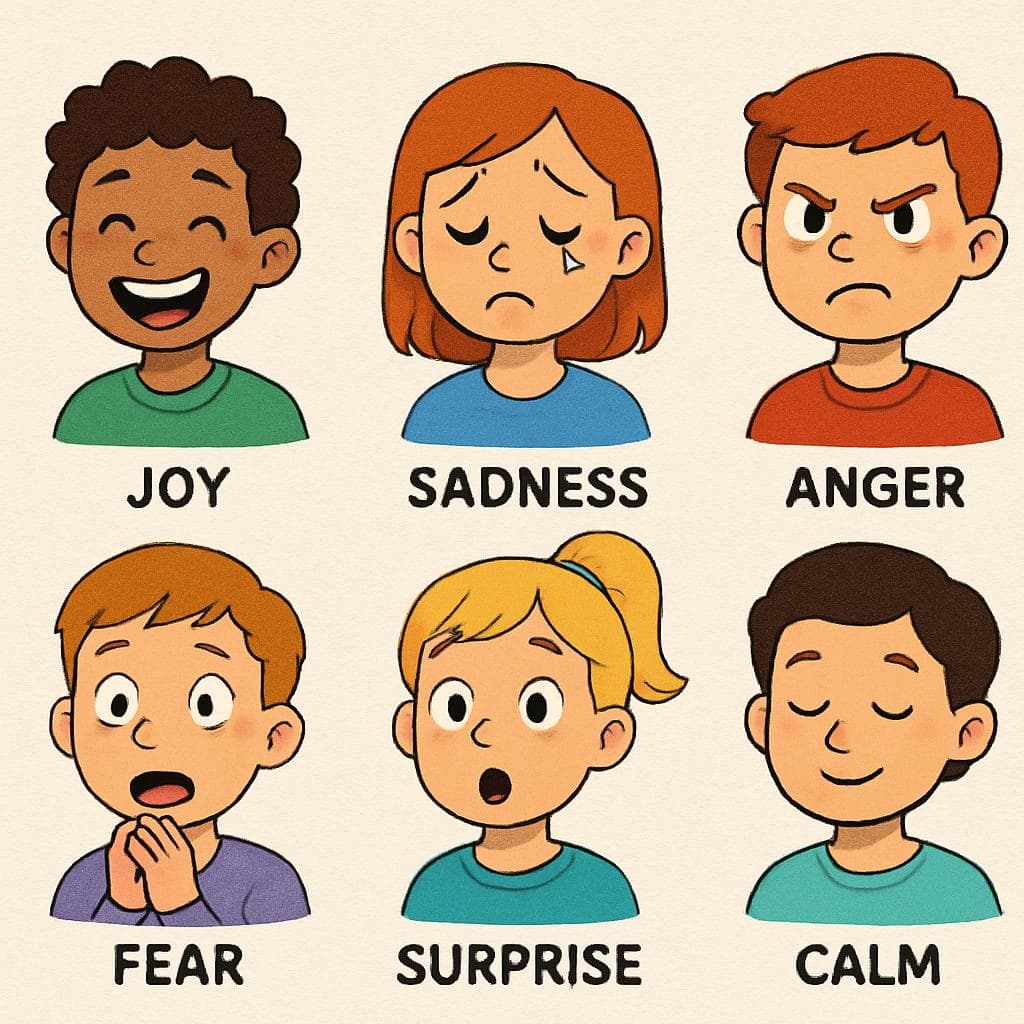
- Consider empathy, self-control and respectful communication.
- Prefer calm, constructive and responsible actions.
- Read each situation carefully before selecting the best response.
Word Building+−
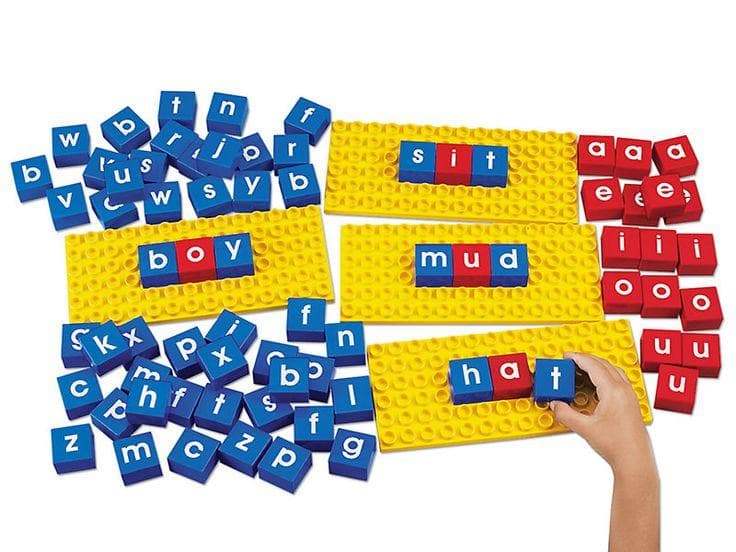
- Check letter availability and frequency.
- Practise prefixes, suffixes and rearrangement of letters.
- Never use a letter more times than allowed by the question.
Social Intelligence+−
- Practise cooperation, conflict resolution and perspective-taking.
- Choose responses that are respectful, practical and fair.
- Distinguish effective communication from aggressive reactions.

Coding and Decoding+−
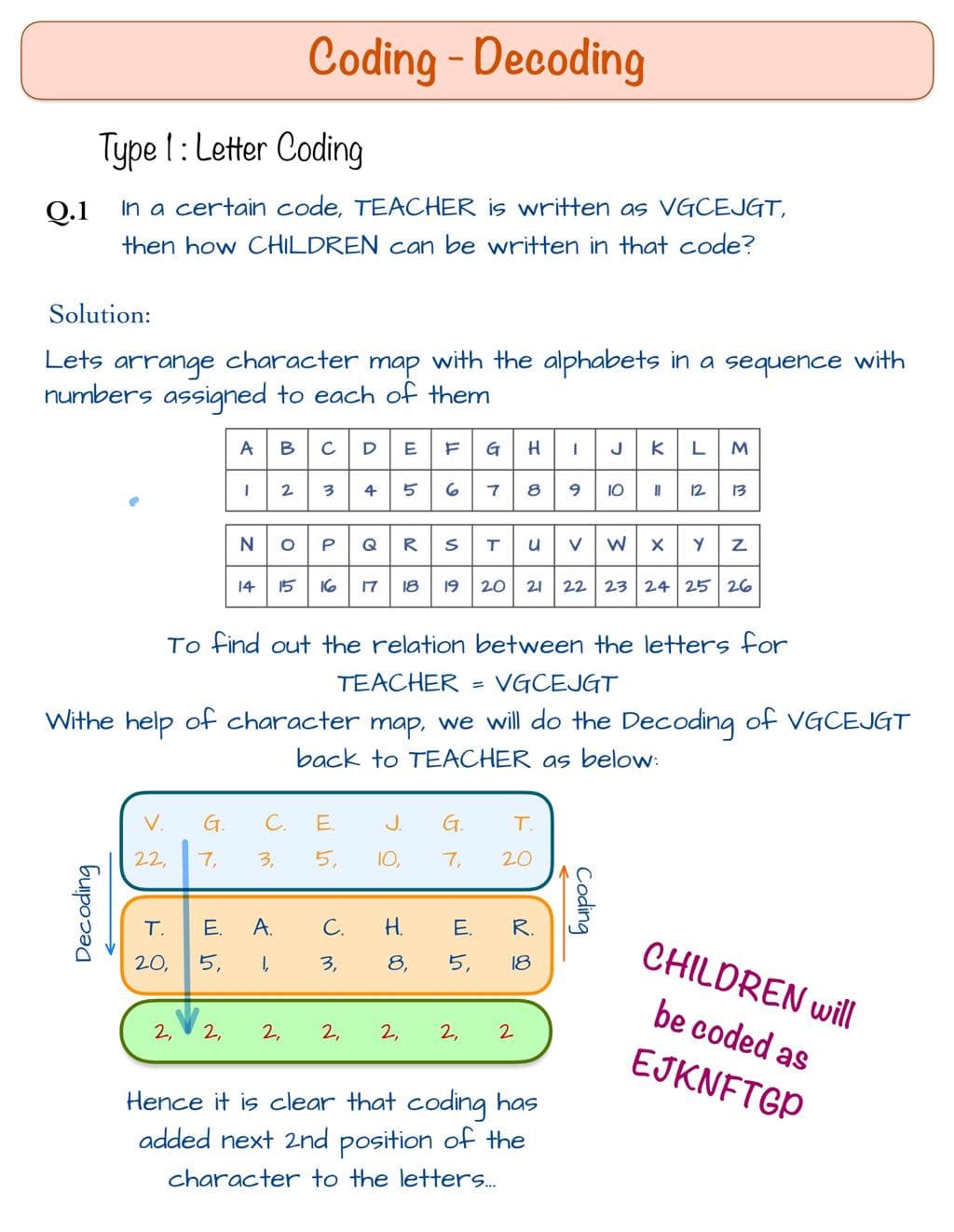
- Practise alphabet positions (A = 1 to Z = 26).
- Check forward/backward shifts, reversals, alternate letters and number mappings.
- Test your rule using every example given.
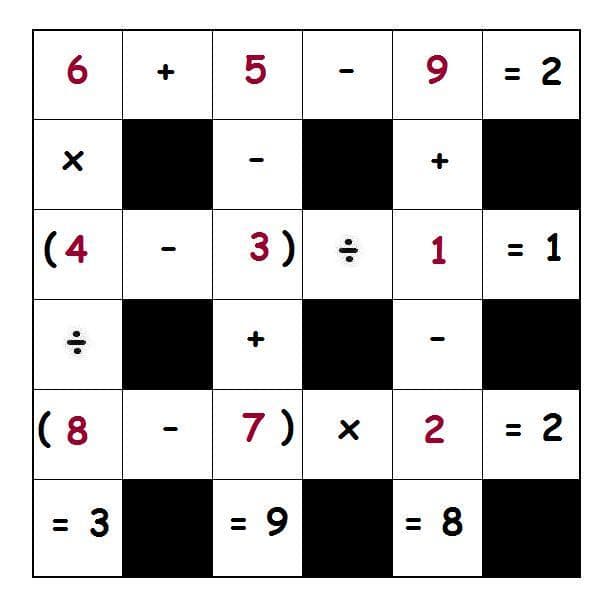
Numerical Operations+−
- Revise BODMAS, fractions, signs, squares and basic arithmetic.
- Read brackets and operator instructions carefully.
- Work accurately before trying to increase speed.
Daily practice schedule+−
- 20 minutes — Learn concepts: revise rules, formulas, examples and shortcuts
- 40 minutes — Topic-wise practice: solve approximately 30–40 questions, adjusting for difficulty
- 30 minutes — Timed mixed test: attempt questions from several different topics without help
- 20 minutes — Analyse mistakes: record the correct rule and retry every incorrect question
- 10 minutes — Quick revision: revise alphabet positions, number patterns and common reasoning rules
Seven-day topic rotation+−
| Day | Main topics |
|---|---|
| Day 1 | Semantic analogy, semantic classification, semantic series, word building |
| Day 2 | Number analogy, number series, numerical operations, symbolic operations |
| Day 3 | Coding-decoding, symbolic/number classification, trends |
| Day 4 | Figural analogy, figural classification, figural series |
| Day 5 | Space orientation, Venn diagrams, drawing inferences, critical thinking |
| Day 6 | Embedded figures, paper folding, pattern completion, problem solving |
| Day 7 | Mixed mock test, emotional intelligence, social intelligence and revision |
Test-taking strategies+−
- Use a two-pass method: solve straightforward questions first, then return to lengthy puzzles.
- Set a target: aim initially for 85–90% accuracy in practice, then work towards completing questions faster.
- Avoid blind guessing: under the usual SSC-CHSL Tier-I scheme, each correct answer earns 2 marks and each incorrect answer loses 0.50 marks. Verify the notification for your exam year.
- Maintain an error notebook: classify mistakes as conceptual errors, calculation errors, misreading or time pressure.
- Repeat difficult questions: retry them the next day and again after a few days without looking at the solution.
- Use previous-year questions: they help you understand the actual exam style and recurring question patterns.
Practise with a quick reasoning quiz+−
1. Doctor : Hospital :: Teacher : ?
- A. Court
- B. School
- C. Bank
- D. Market
2. Find the next number: 3, 6, 12, 24, ?
- A. 36
- B. 42
- C. 48
- D. 54
3. Which is the odd one out?
- A. Triangle
- B. Square
- C. Circle
- D. Rectangle
4. If A = 1, B = 2, and C = 3, what is the value of CAB?
- A. 312
- B. 321
- C. 123
- D. 213
5. All roses are flowers. Which statement must be true?
- A. All flowers are roses
- B. All roses are flowers
- C. No roses are flowers
- D. All flowers are red
Quantitative Aptitude
Syllabus and how to use this guide+−
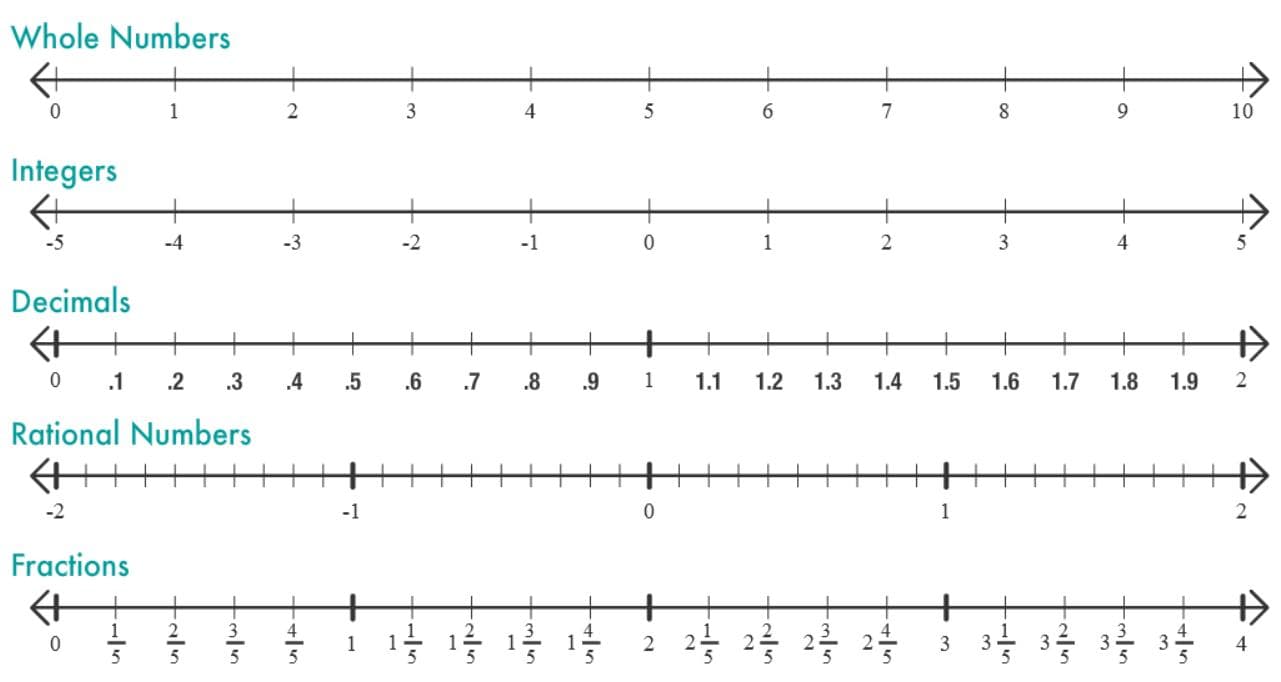
- Number Systems: Computation of Whole Number, Decimal and Fractions, Relationship between numbers.
- Fundamental arithmetical operations: Percentages, Ratio and Proportion, Square roots, Averages, Interest (Simple and Compound), Profit and Loss, Discount, Partnership Business, Mixture and Alligation, Time and distance, Time and work.
- Algebra: Basic algebraic identities of School Algebra and Elementary surds (simple problems) and Graphs of Linear Equations.
- Geometry: Familiarity with elementary geometric figures and facts: Triangle and its various kinds of centres, Congruence and similarity of triangles, Circle and its chords, tangents, angles subtended by chords of a circle, common tangents to two or more circles.
- Mensuration: Triangle, Quadrilaterals, Regular Polygons, Circle, Right Prism, Right Circular Cone, Right Circular Cylinder, Sphere, Hemispheres, Rectangular Parallelepiped, Regular Right Pyramid with triangular or square Base.
- Trigonometry: Trigonometry, Trigonometric ratios, Complementary angles, Height and distances (simple problems only) Standard Identities like sin²θ + cos²θ = 1 etc.
- Statistical Charts: Use of Tables and Graphs: Histogram, Frequency polygon, Bar diagram, Pie-chart.
1. Topic-wise preparation tips
Number Systems+−
- Revise divisibility rules for 2, 3, 4, 5, 6, 8, 9, 10 and 11.
- Practise HCF and LCM, prime factorisation and remainders.
- Convert fractions into decimals and percentages.
- Learn squares up to 30 and cubes up to 20.
- Practise comparing fractions, mixed numbers and recurring decimals.
Fundamental Arithmetical Operations+−
Percentages, Ratio and Proportion
- Convert fractions to percentages quickly.
- Practise successive percentage increases and decreases.
- Learn direct and inverse proportions.
- Use ratios to divide amounts and compare quantities.
Square Roots and Averages
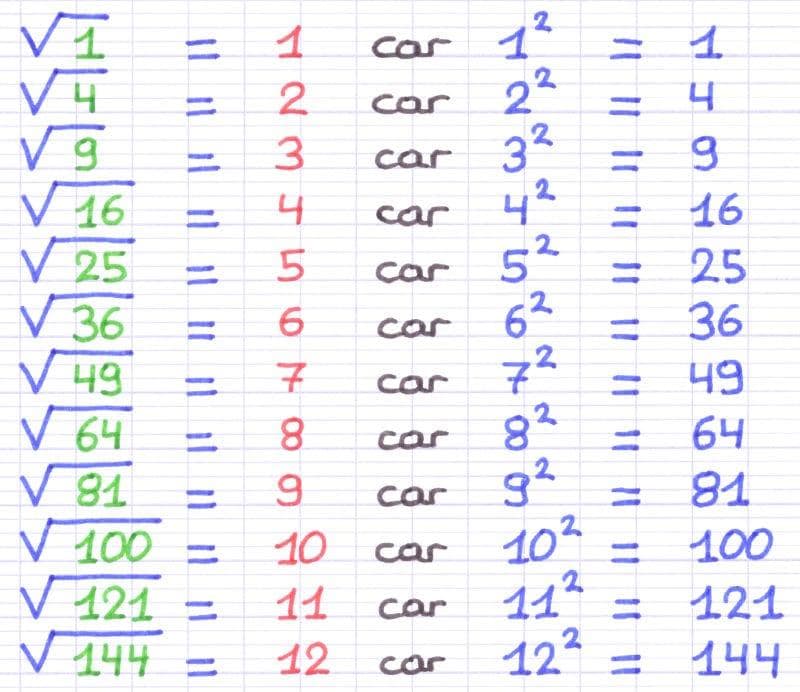
- Memorise common perfect squares.
- Practise simplifying square roots.
- Use average = sum of observations ÷ number of observations.
- Learn how an average changes when an item is added or removed.
Simple and Compound Interest
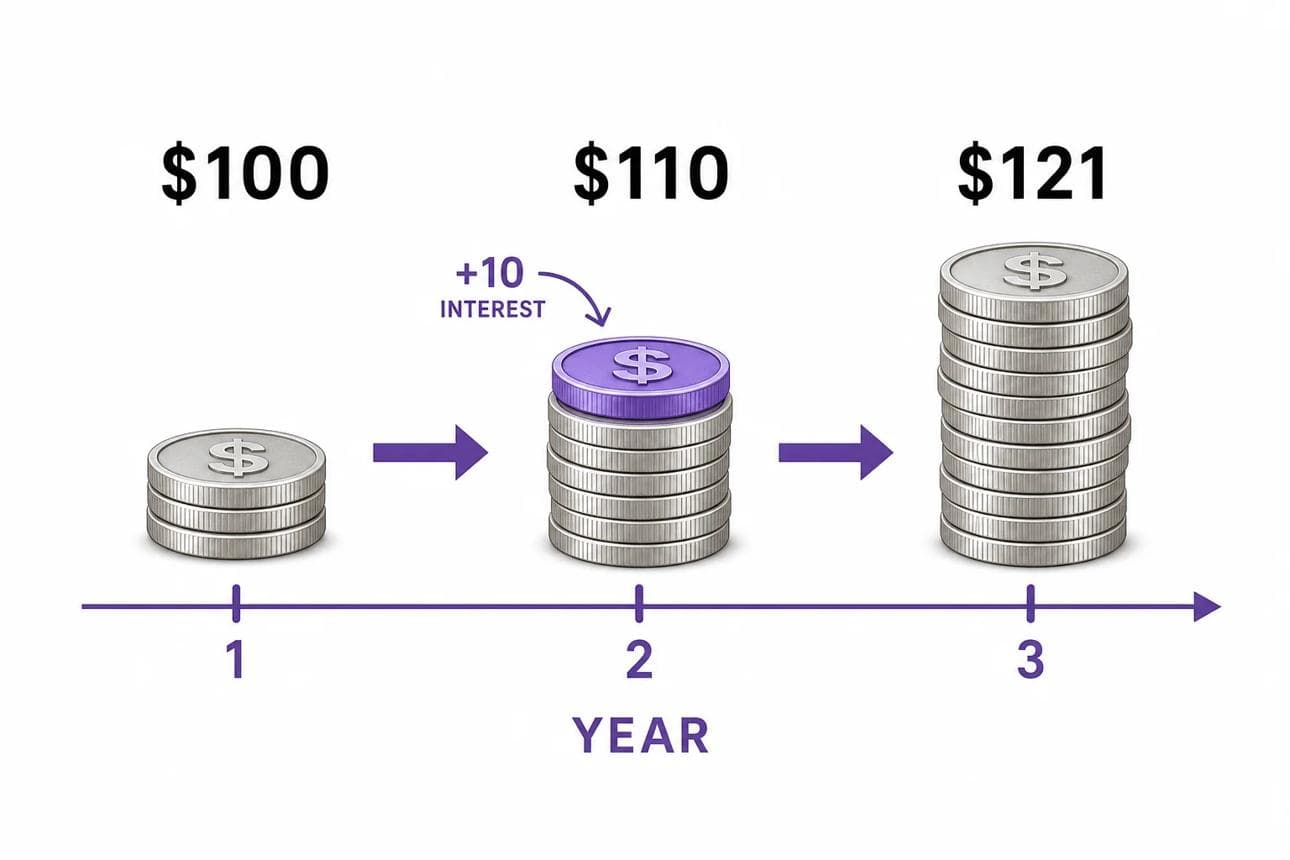
- Identify principal, rate, time and amount.
- Practise annual, half-yearly and quarterly compounding.
- Remember to use the rate and time period consistently.
- Compare simple interest with compound interest.
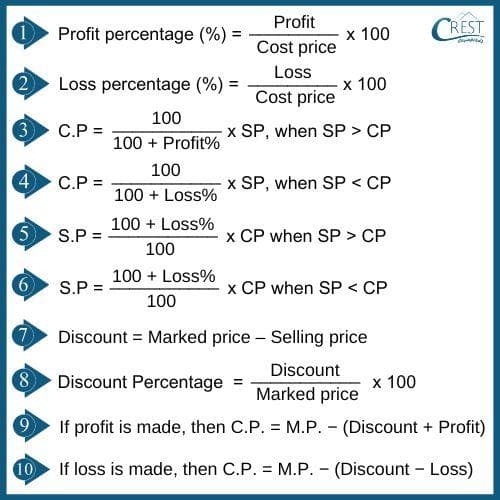
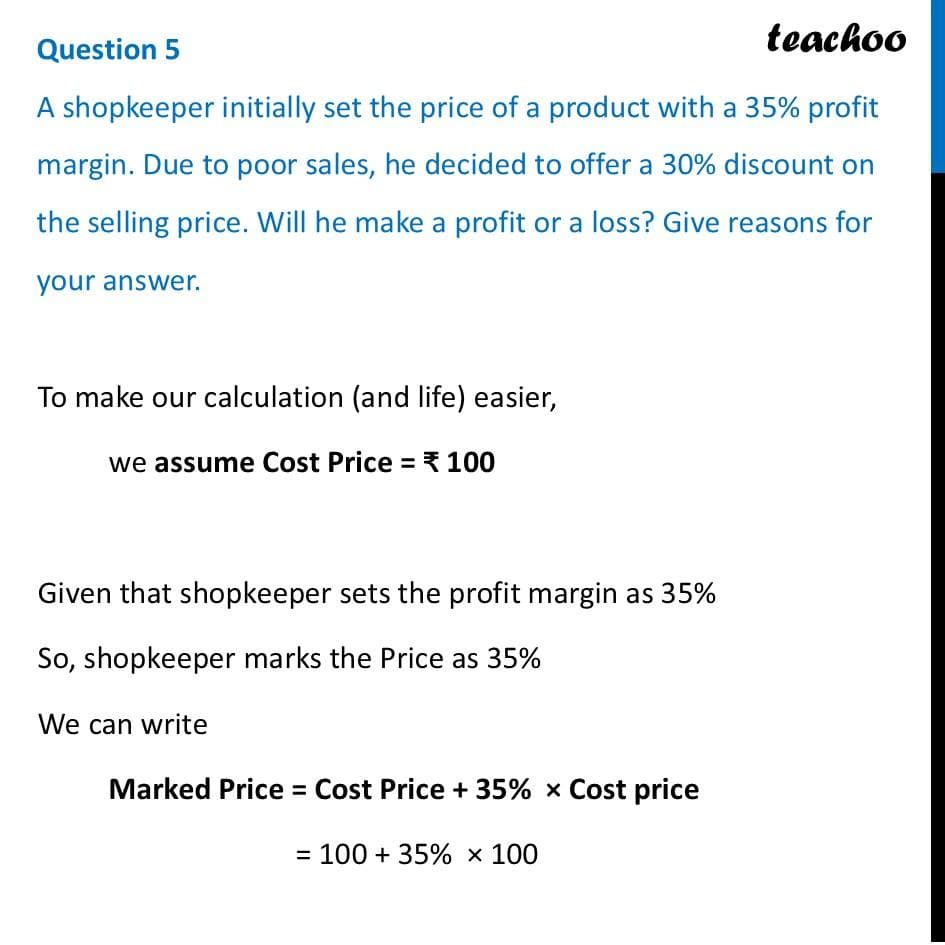
Profit, Loss and Discount
- Distinguish cost price, marked price and selling price.
- Calculate profit or loss percentages using cost price.
- Apply discounts to marked price.
- Practise successive discounts and false-weight problems.
Partnership Business
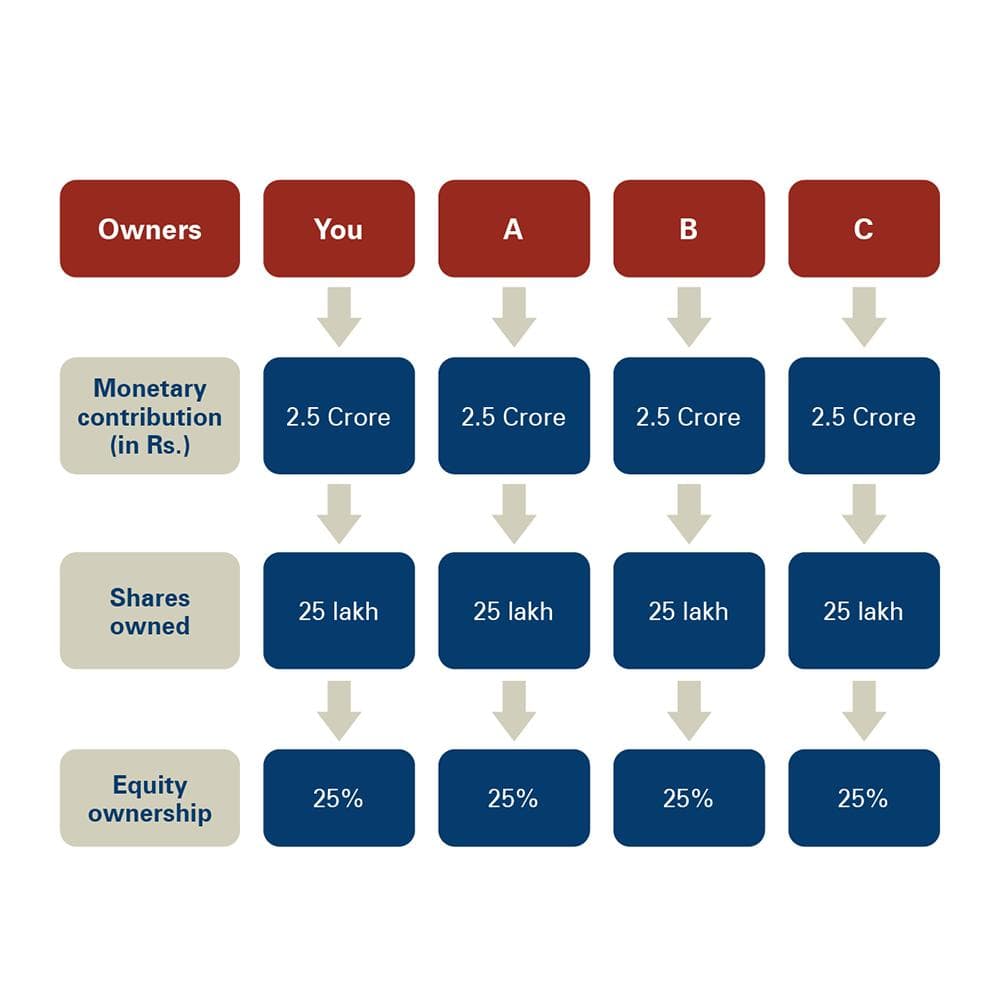
- Profit shares depend on capital × time.
- Account for partners joining or leaving at different times.
- Practise finding an unknown investment or profit share.
Mixture and Alligation
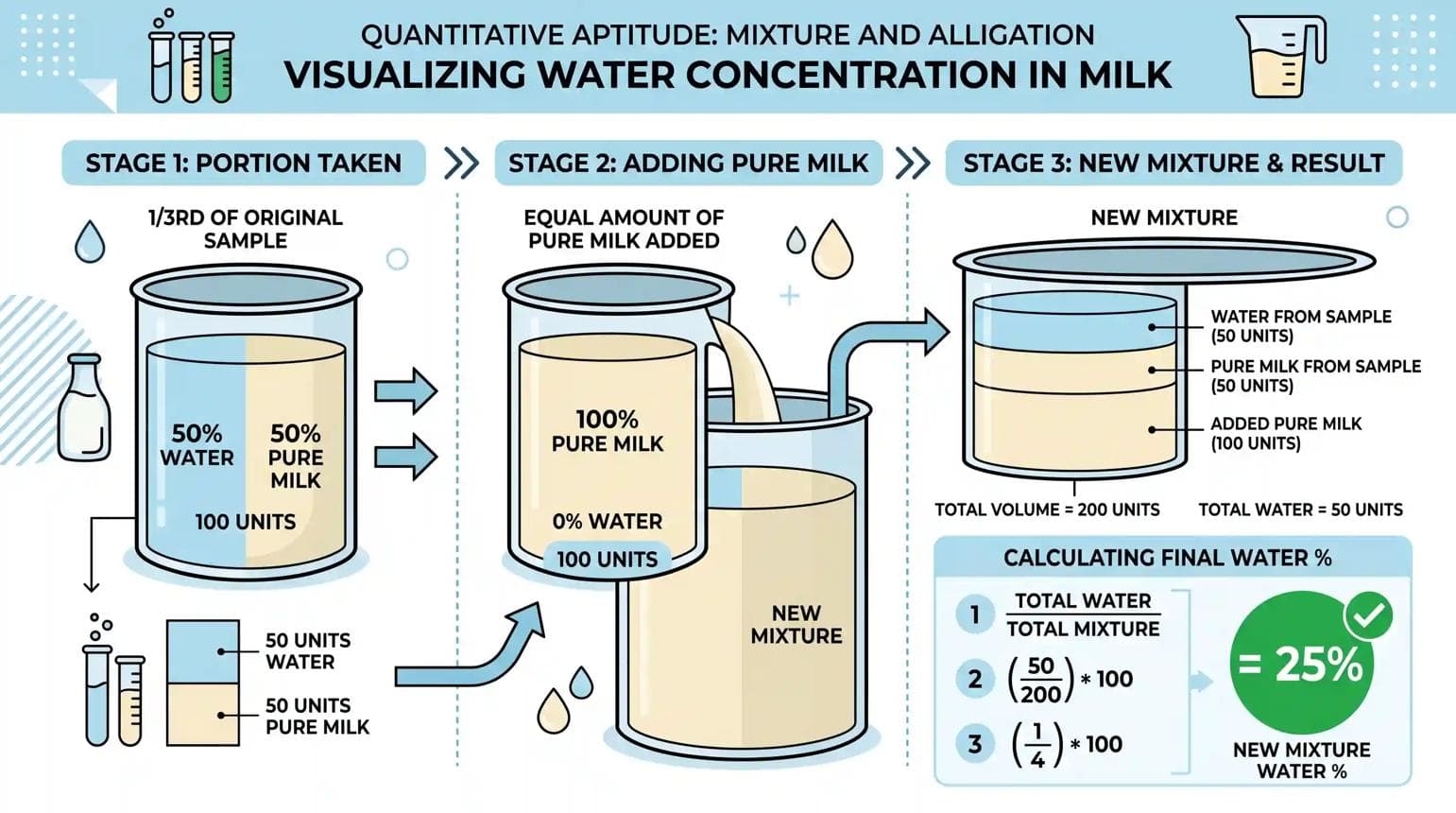
- Learn the weighted-average principle.
- Practise mixing two items with different prices or concentrations.
- Solve replacement questions involving repeated removal and addition.
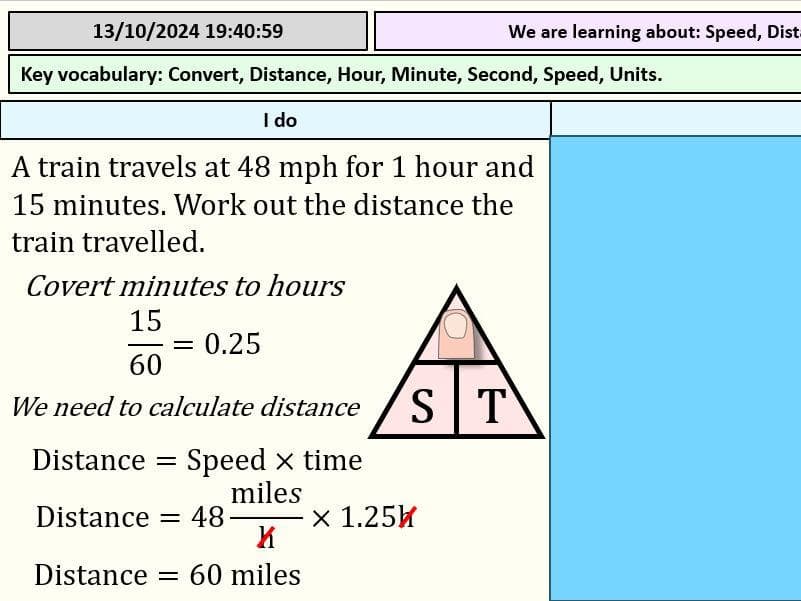
Time and Distance
- Memorise speed = distance ÷ time.
- Convert km/h to m/s by multiplying by .
- Practise trains, relative speed, boats and streams.
- Use average speed carefully, especially for equal-distance journeys.
Time and Work
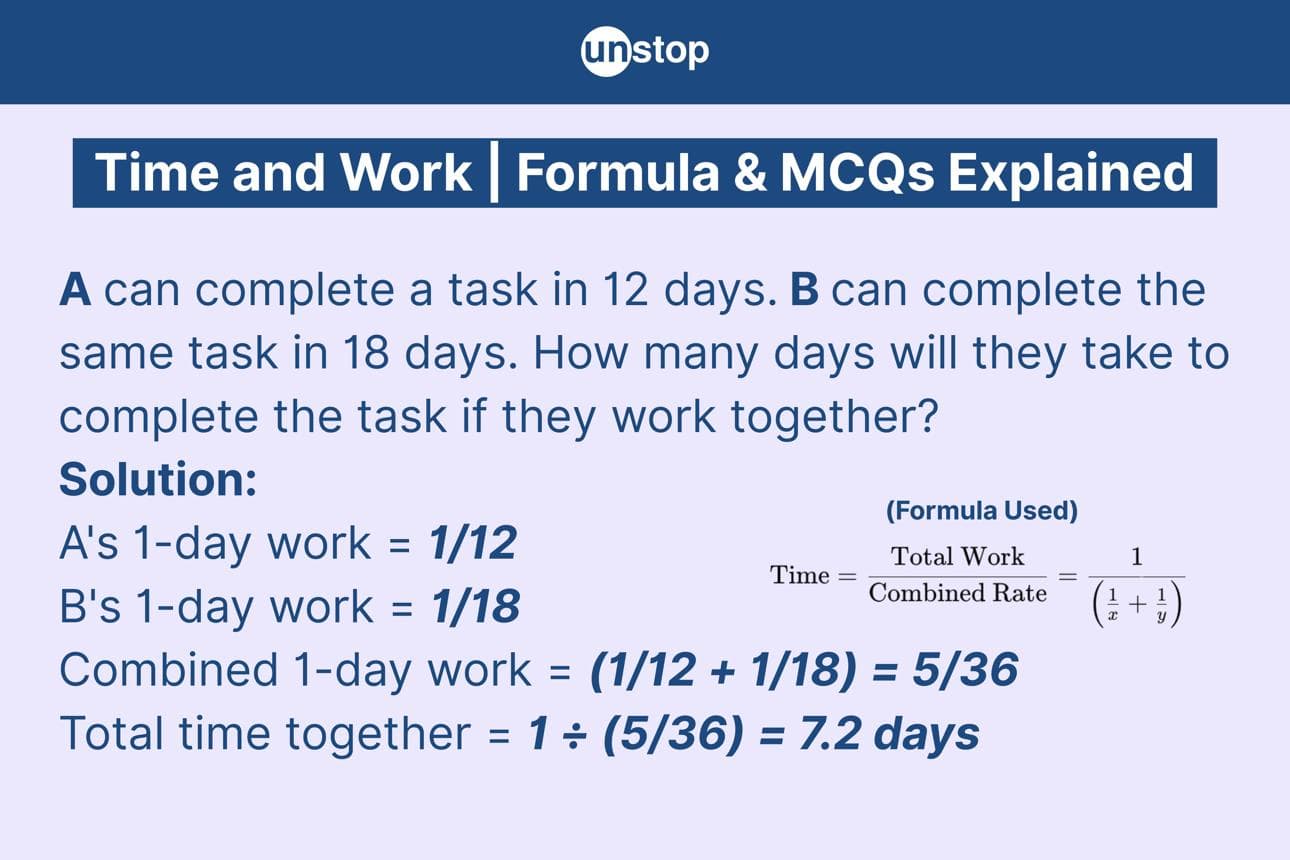
- Express one day's work as .
- Add work rates when people work together.
- Practise efficiency ratios, wages, pipes and cisterns.
- Distinguish work completed from time taken.
Algebra+−
What to practise
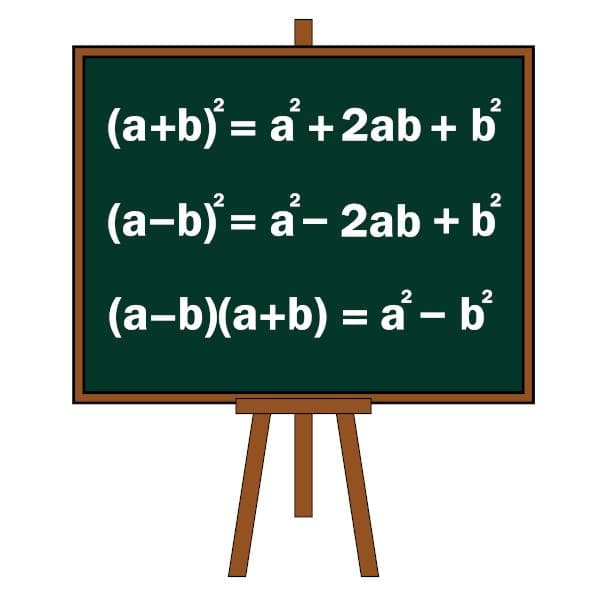
- Basic algebraic identities and factorisation.
- Simplification of algebraic expressions.
- Elementary surds and rationalisation.
- Solving linear equations.
- Graphs of linear equations and coordinate interpretation.
Geometry+−
What to practise
- Types of triangles and their centres.
- Congruence and similarity.
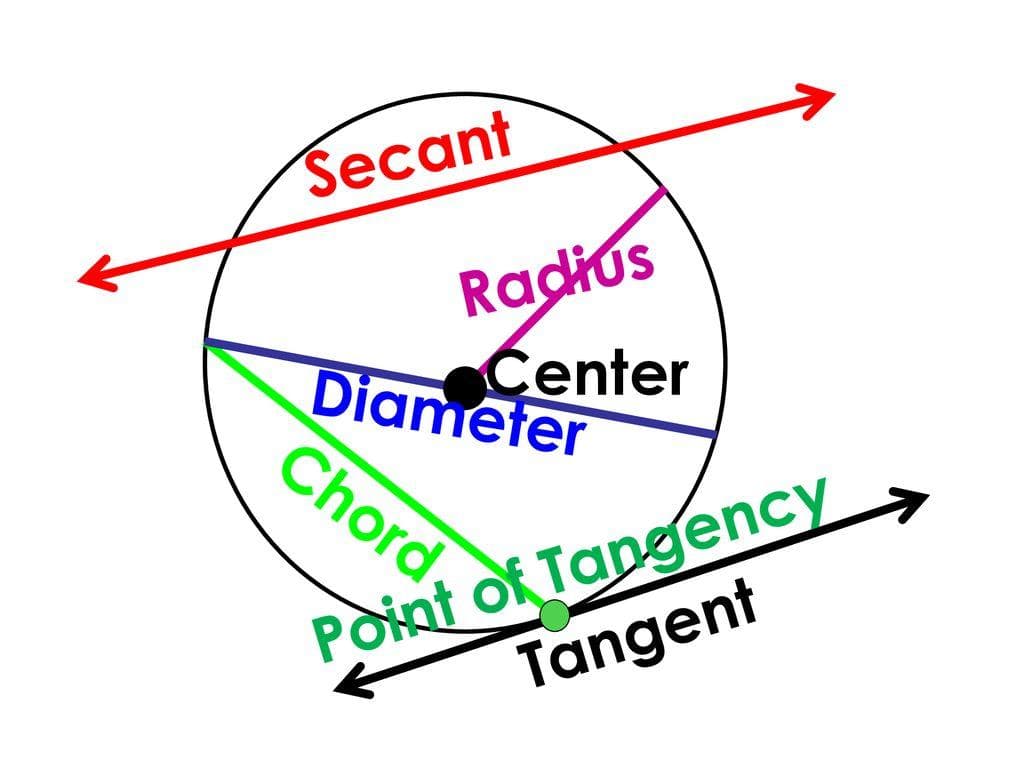
- Circle theorems, chords and tangents.
- Angles subtended by chords.
- Common tangents to two or more circles.
- The interior angles of a triangle add up to .
- The perpendicular bisectors of a triangle meet at the circumcentre.
- The angle bisectors meet at the incentre.
- The medians meet at the centroid.
- The altitudes meet at the orthocentre.
- A tangent to a circle is perpendicular to the radius at the point of contact.
- Equal chords of the same circle subtend equal angles at the centre.
Drag the pointsABC60.0°60.0°60.0°
Give feedback
Mensuration+−
What to practise
- 2D shapes: triangles, quadrilaterals, regular polygons and circles.
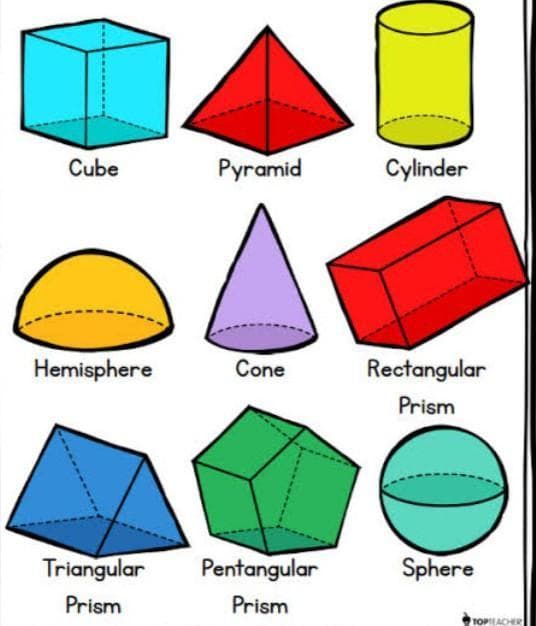
- 3D solids: right prisms, cones, cylinders, spheres and hemispheres.
- Rectangular parallelepipeds and regular right pyramids with triangular or square bases.
| Shape | Area or volume formula |
|---|---|
| Triangle | |
| Rectangle | |
| Square | |
| Parallelogram | |
| Circle area | |
| Circle circumference | |
| Cuboid volume | |
| Cube volume | |
| Cylinder volume | |
| Cylinder curved surface area | |
| Cone volume | |
| Cone curved surface area | |
| Sphere volume | |
| Sphere surface area | |
| Hemisphere volume | |
| Prism volume | Base area × height |
| Pyramid volume | × base area × height |
- Distinguish curved surface area, total surface area and volume.
- Convert all measurements into consistent units.
- Practise questions where radius, diameter or height is given indirectly.
- For regular polygons, revise perimeter, apothem and area.
- For a hemisphere, remember that total surface area includes the circular base.
b = 8.0h = 6.0
Give feedback
Trigonometry+−
What to practise
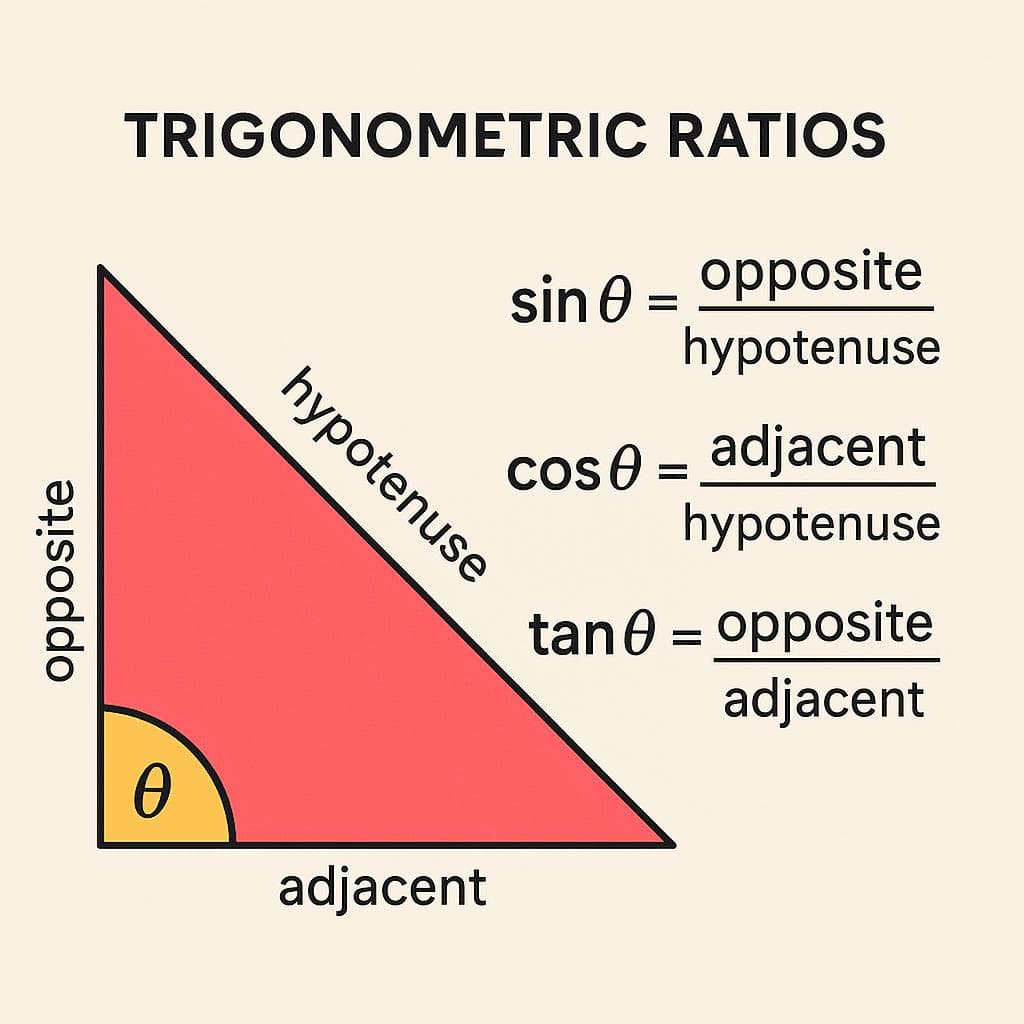
- Sine, cosine and tangent ratios.
- Complementary angles.
- Standard trigonometric values.
- Heights and distances.
- Standard identities.
| Angle | |||
|---|---|---|---|
| 0 | 1 | 0 | |
| 1 | |||
| 1 | 0 | Undefined |
θ = 35°|cos θ| = 0.819|sin θ| = 0.574cos² θsin² θ0.671 + 0.329 = 1
Give feedback
Statistical Charts+−
What to practise
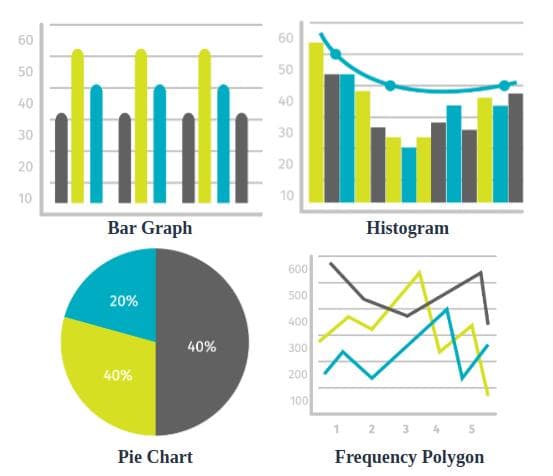
- Tables and data interpretation.
- Bar diagrams and pie charts.
- Histograms and frequency polygons.
- Percentage comparisons and ratio calculations.
- Totals, averages and differences from charts.
- Read the title, units, scale and legend before calculating.
- In pie charts, convert percentages into angles using percentage × .
- In bar charts, compare the correct bars and account for the scale.
- In histograms, read class intervals and frequencies accurately.
- In frequency polygons, interpret the plotted frequencies at class midpoints.
- Estimate first where useful, then calculate precisely.
Daily study timetable for Quantitative Aptitude+−
- 20 minutes — Formula revision: review identities, geometry theorems, mensuration formulas and standard trigonometric values
- 40 minutes — Topic-wise questions: solve around 20–30 questions, depending on difficulty and your current speed
- 30 minutes — Timed practice: attempt a mixed set under exam-like conditions
- 20 minutes — Mistake analysis: identify calculation errors, forgotten formulas and incorrect methods
- 10 minutes — Mental mathematics: practise squares, fractions, percentage conversions and multiplication shortcuts
Seven-day revision plan+−
| Day | Topics to focus on |
|---|---|
| Day 1 | Number Systems, fractions, decimals and percentages |
| Day 2 | Ratio, proportion, average, interest, profit and loss, discount |
| Day 3 | Partnership, mixture, time and work, time and distance |
| Day 4 | Algebra, identities, surds and linear graphs |
| Day 5 | Geometry and circle theorems |
| Day 6 | Mensuration and Trigonometry |
| Day 7 | Statistical Charts, mixed mock test and error revision |
Essential exam preparation strategies+−
- Memorise formulas actively. Write formulas from memory before checking your notes.
- Practise calculations daily. Learn fraction-to-percentage conversions, multiplication shortcuts and square-root simplifications.
- Use previous-year questions. They help you understand how SSC tests familiar concepts.
- Avoid lengthy calculations when a simpler method exists. Use ratios, answer options and approximation where appropriate.
- Keep an error notebook. Record the question, your mistake, the correct method and the formula involved.
- Take full mock tests regularly. Practise managing the entire Tier-I paper, not just Quantitative Aptitude.
- Prioritise accuracy before speed. Increase your pace as you become comfortable with the methods.
Quick practice checklist+−
- Number Systems
- Arithmetic operations
- Algebra
- Geometry
- Mensuration
- Trigonometry
- Statistical Charts
- Previous-year questions
- Timed mock tests
- Error revision
General Awareness
Main areas to cover+−
- History: major events, freedom movement, important personalities, and basic ancient, medieval and modern Indian history.
- Geography: Indian states and rivers, climate, soils, agriculture, resources, important world geography, and map-based facts.
- Polity: Constitution basics, Fundamental Rights and Duties, Parliament, President, Prime Minister, judiciary, constitutional bodies and governance.
- Economy: basic economic terms, inflation, GDP, banking, taxation, budget concepts and key government schemes.
- General Science: everyday Physics, basic Chemistry, Biology, human body, diseases, nutrition, environment and scientific developments.
- Current affairs: important national and international events, awards, sports, appointments, books and authors, science and technology, and government initiatives.
Daily study method (30–45 minutes)+−
- 15–20 minutes — study one small static-GK topic from a reliable source.
- 10 minutes — review current affairs from a concise daily or weekly digest.
- 10–15 minutes — solve 15–20 MCQs and read explanations for both correct and incorrect answers.
Preparation tips that work+−
- Use one main source for each subject. Too many books, channels and PDFs create repetition and confusion.
- Make short notes or flashcards for facts that are easy to forget: dates, places, articles, organisations, awards and important terms.
- Revise on a schedule: the same day, after 2–3 days, after one week, and again after one month.
- Study current affairs in themes — appointments, awards, sports, government schemes, science and important reports — rather than collecting random headlines.
- Practise previous-year questions to understand the depth and style of SSC questions, but do not assume a past question will repeat.
- For science and polity, understand the basic concept before memorising facts. For history and geography, use timelines, tables and maps.
- Do not spend all your time on current affairs. Keep a balanced routine for static GK, science and current events.
Weekly plan+−
| Day | Plan |
|---|---|
| Monday | History + 20 MCQs |
| Tuesday | Geography + map/fact revision |
| Wednesday | Polity + Constitution basics |
| Thursday | General Science + everyday science questions |
| Friday | Economy and government schemes |
| Saturday | Current affairs weekly revision + mixed quiz |
| Sunday | Timed GA practice set and review of weak areas |
Current affairs: what and how much?+−
- Choose a manageable recent period based on the exam date and current preparation guidance; revise it repeatedly rather than reading many sources.
- Prioritise events with national importance and facts likely to be tested, but avoid assuming any topic is guaranteed to appear.
- For every item, note what happened, who or which organisation was involved, where it happened, and why it matters.
- Use monthly compilations for revision and verify factual details with trustworthy or official sources when needed.
Mock tests and performance tracking+−
- Start with topic-wise quizzes, then progress to mixed General Awareness sets.
- After each test, classify errors as knowledge gaps, confusion between similar facts, or careless reading.
- Keep a ‘repeat list’ of facts you forget often and revise it for 5 minutes daily.
- Track score and accuracy each week; use the results to choose the next topics to revise.
Exam-day tips+−
- Read the question carefully, especially names, dates, places, and words such as ‘not’ or ‘incorrect’.
- Do not spend too long trying to recall one fact; move on and return if time allows.
- Use the last few minutes to review unanswered items if time permits.
Free or low-cost resources+−
- NCERT school textbooks for foundational History, Geography, Science and Civics concepts.
- Official government websites for schemes, ministries and current factual announcements.
- Reputable previous-year papers, answer keys and free topic-wise quizzes.
- Monthly current-affairs compilations and a concise daily or weekly digest.
Plans & pricing
Choose the plan that fits your preparation.
Frequently asked questions
What is the SSC CHSL Tier-I pattern?
Tier-I has 100 objective questions for 200 marks in 60 minutes: 25 questions each in English Language, General Intelligence, Quantitative Aptitude, and General Awareness. Each question carries 2 marks and each wrong answer deducts 0.50 marks.
Does Tier-II decide final merit?
Yes. Final merit uses Tier-II Section-I and Section-II, subject to qualifying the Computer Knowledge Test and Skill/Typing Test.